
Composition Lessons
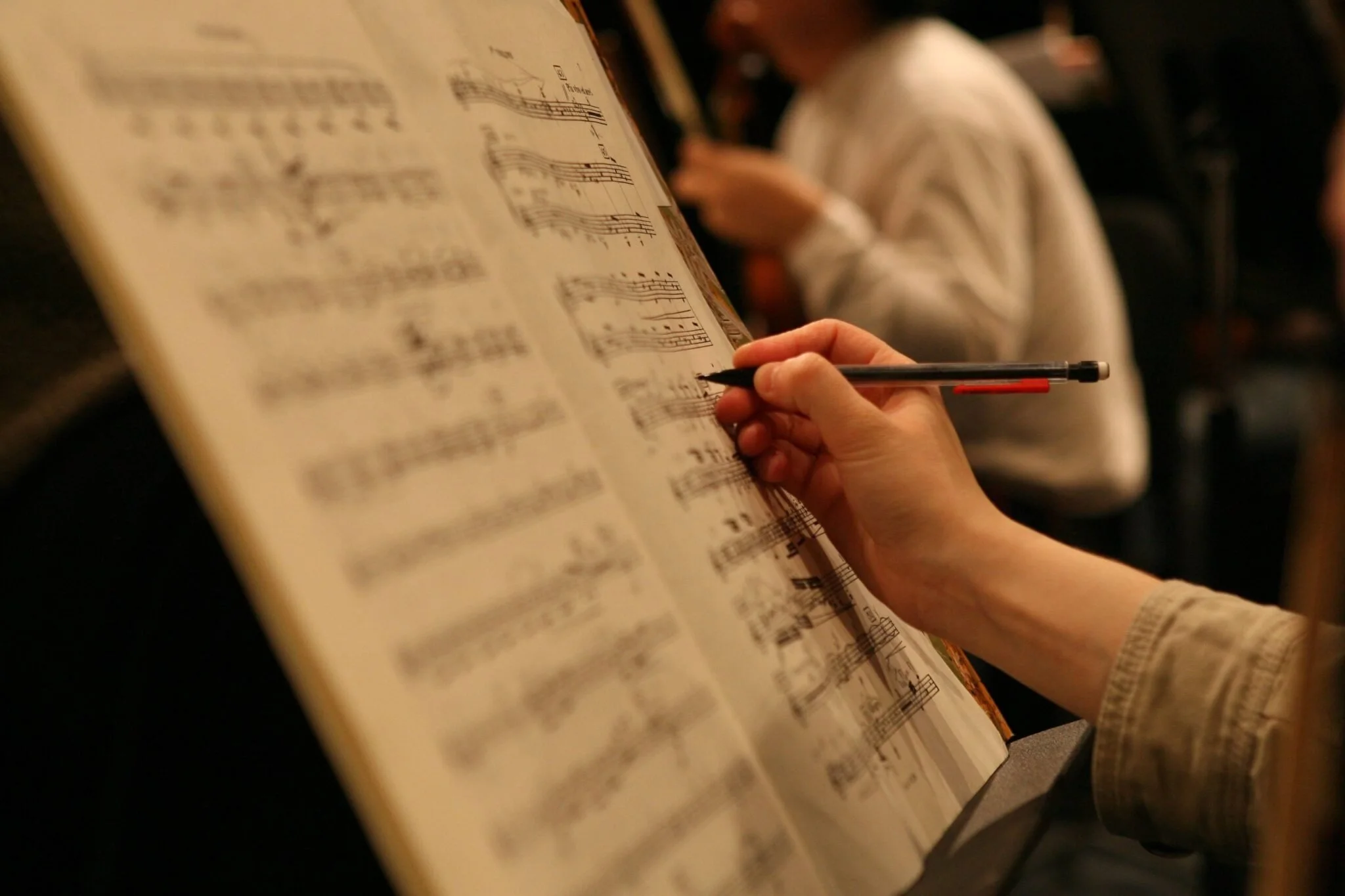
Create original music through composition and improvisation! This weekly course encourages students to write music that grooves, sparks collaboration, and leaves space for expressive freedom and invention. In Jazz Composition, students will learn jazz harmony, engage with jazz song forms (Blues, AABA standards, etc), study improvised solos, and develop their own creative voices by writing and improvising. The class will culminate in a concert where students get to perform their own works. All
levels are encouraged, but some basic theory knowledge is required. Enroll today and give your child the gift of music and excellence.
DIANA & JOEL PETERSON SCHOOL OF MUSIC
SALT LAKE CITY, UTAH
Course outcomes
Learn to read, interpret, and write using jazz lead sheet chord symbols (i.e. CMaj7).
Learn to improvise over chord changes and song forms.
Study the ways in which each element of a jazz song (harmony, song form, melody, rhythm, groove, etc.) influences improvisation and vice versa.
Write songs using different forms (12 bar blues, AABA, etc.) and styles (swing, Bossa Nova, etc.).
Opt. arrange songs for different ensemble/instrumental configurations.
A GIFTED MUSIC SCHOOL TRADITION
EST. 2008
Sample Schedule
-
1. The Blues: Study the “sound” of the blues—“blue notes,” bends, riffs, motifs; understand the chord structure and the foundation of the I, IV, and V chords; learn the melody to a blues; learn about the standard “head”—“solo”—“head” performance form; write a repeatable blues melody in C or F.
2. The Blues, Bebop, and Beyond: Study recordings of the 12 bar blues in the context of bebop and beyond; listen to and compare different improvised solos over the
blues; discuss ii-V-I’s and how to extend blues harmony; write another blues in a different key, playing with less repetition and more fragmentation. -
3. Blues performance: Choose one of your blues songs and teach it to the class; perform the blues using the standard “head”—“solo”—“head” performance form; practice improvising over your blues song (accompanied by the instructor) and
taking turns with other students during the solo section.
4. Study some blues solos as a class; discuss the use of space, rhythm, contour, repetition, and harmony; discuss more harmonic possibilities as an improviser over the blues; choose a 15-30 second solo excerpt to transcribe (learn by ear/write
out). -
5. Rhythm Changes: Learn about the importance of tin pan alley/broadway musicals and the use of AABA and other standard song forms; listen to “I Got Rhythm” and study the chord structure and use of AABA form; learn the melody to “I Got Rhythm.” Study bebop-era contrafacts (songs using the same chord changes) of
“rhythm changes”—“Oleo,” “Rhythm-a-ning,” “Dizzy Atmosphere,” etc.; write a melody using “rhythm changes.”
6. Ballads and other AABA Standards: Study other medium-tempo standards that use the AABA song form (without “rhythm changes”): “All the Things You Are,” “Caravan,” “Don’t Get Around Much Anymore,” “Doxy,” etc. Talk about the use of the ii-V-I in these works. Look at a few ballads (slow songs) that use the AABA form: “Body and Soul,” “Chelsea Bridge,” and “Misty.” Write a ballad or medium
tempo song using AABA form.
-
7. AABA/Rhythm Changes performance: Choose one of your AABA or Rhythm Changes songs and teach it to the class; perform using the standard “head”—“solo”—“head” performance form and take turns improvising solos.
8. Study some solos over rhythm changes; study solos over other AABA medium-tempo songs and ballads; choose a 15-30 second solo excerpt to transcribe. -
9. Listen to examples of small group arrangements from duets and trios to quartets and quintets; pay attention to intros, vamps, ensemble “hits,” solis, and outros. Write an intro to a pre-existing blues or AABA standard, or to one of your originals.
10. Harmonization: Listen to small group recordings with “heads” (melodies) that are harmonized between 2 to 3 instruments. Touch on some reharmonization and chord
substitution concepts. Write a blues or AABA melody harmonized between 2 to 3 voices. -
11. Teach, rehearse, and perform one of your song arrangements with members of the class. Play around with these songs and figure out different groove possibilities as
well as solo orders.
12. Listen to more small group recordings and take notes on things that stick out over time—create a “timeline” of the recording. Use these notes to refine your compositions and add any extra intros, outros, harmonizations, or other aspects of
your compositions. Play together as a class and prepare for a concert.
Meet the faculty
-
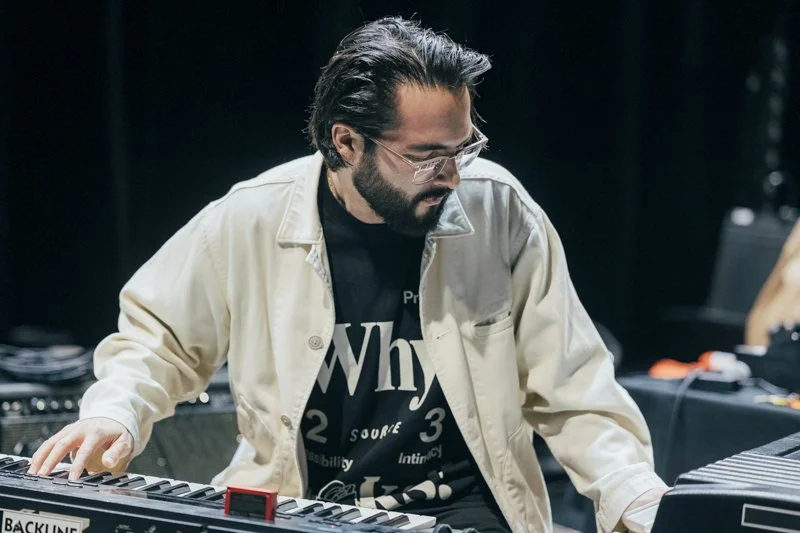
Johnny Cardenas
Ph.D., Music Composition, UC San Diego, 2025, expected.
M.M., Music Composition, Brigham Young University, 2018.
B.Mus., Commercial Music, Snow College, 2016.
Frequently asked questions
Ready to learn more? See further details here, and don’t hesitate to reach out to discuss any additional questions. You can always find us at:
info@petersonschoolofmusic.org
(385) 222-7787
-
Signing up for lessons and classes is easy! Go to our new student registration page and fill out the form. You can choose from a variety of programs based on your interests and skill level. We will be in touch with you shortly after the form is completed. If you’re not sure where to start, feel free to contact us, and we’ll guide you in selecting the right program for you or your child.
-
We offer a range of programs designed to meet the needs of students at every level of their musical journey:
Conservatory: For serious students who gain admission through audition. Once admitted, students receive a full scholarship for all their classes.
Academy: High-level tuition-based lessons and classes open to students of all ages from the general community. Scholarships are available to help support aspiring musicians.
GRIT Program: Our comprehensive outreach program in Title I schools, bringing high-quality music education to underserved communities.
Young Composers Academy (YCA): Tuition-based Conservatory classes and opportunities that are available to the general public.
Suzuki Program: A part of the Preparatory Program, focused on string students using the renowned Suzuki method.
-
We combine a thoughtful, human-centered approach with clear communication and reliable results. It’s not just what we do—it’s how we do it that sets us apart.
-
Our school is home to an extraordinary team of faculty members and teachers, all of whom are accomplished musicians and dedicated educators. Our faculty bring a wealth of professional experience and expertise to their teaching, ensuring that students receive top-tier musical instruction. You can learn more about each instructor by visiting our faculty page, where you’ll find bios and details about their areas of specialization.
-
To apply to our Conservatory program, students must go through an audition process. This ensures that we select students who are committed to excelling in their musical studies. Information about audition dates and requirements can be found on our Conservatory Admissions page. If you have questions or need assistance during the application process, our admissions team is here to help.
-
Your support is vital to the success of our programs and the growth of our students. To make a donation or learn more about the different ways you can contribute, please visit the donate page on our website. Donations go toward scholarships, outreach programs, and other initiatives that make high-quality music education accessible to all.
“We feel lucky to have found this school two years ago. At first, our kids were just in children’s choir, but we later added voice, violin, and piano lessons. All the teachers are top notch!”
Anna Taylor
PSM Parent